Świętokrzyskie voivodeship and CELiUS are building a security shield.
- Kacper Zachariasz

- Mar 29
- 4 min read

On November 27, 2025, advanced exercises in crisis management automation were conducted at the Kielce University of Technology. The event served as a practical simulation and marked another step in the development of the "Świętokrzyskie Security Cluster", a regional initiative established in March 2025, whose ambition is to build modern civil resilience structures through the integration of science, business, technology, and public administration.
A new security reality. The region needs new infrastructure.
Dynamic geopolitical changes, the growing activity of foreign intelligence services, cyberattacks, and more frequent extreme weather events are forcing security systems to develop faster than ever before. In such circumstances, investing in civilian resilience is becoming a national priority, and government programs, including initiatives related to civil protection, emphasize the importance of utilizing modern technologies and crisis infrastructure. The Security Cluster aligns directly with these trends, creating a space for sustainable cooperation between uniformed services, universities, local governments, and technology companies. Its goal is to build a regional crisis response model that can become a model for other voivodeships.

Strategic partnership: Kielce University of Technology and CELiUS
A key element of the emerging security ecosystem is the collaboration between the Kielce University of Technology and Celius. The parties are implementing a joint project that encompasses the automation of the crisis management process, the development of mobile crisis management centers, and research and development on the use of LLM models and machine learning in threat analysis and decision-making support. Another important area of joint activities is the integration of the academic community with the services and technology within a testing platform operating on the Kielce University of Technology campus, creating conditions for conducting realistic exercises and simulations. "The Kielce University of Technology has been developing competences in security engineering and modern technologies for years. A natural direction for us is to co-create a regional resilience ecosystem. The campus is becoming a space for real-world exercises, simulations, and research serving the entire region," emphasizes Professor Zbigniew Koruba, Rector of the Kielce University of Technology.
Campus Threat Simulation - A Practical Test of Procedures and Technology
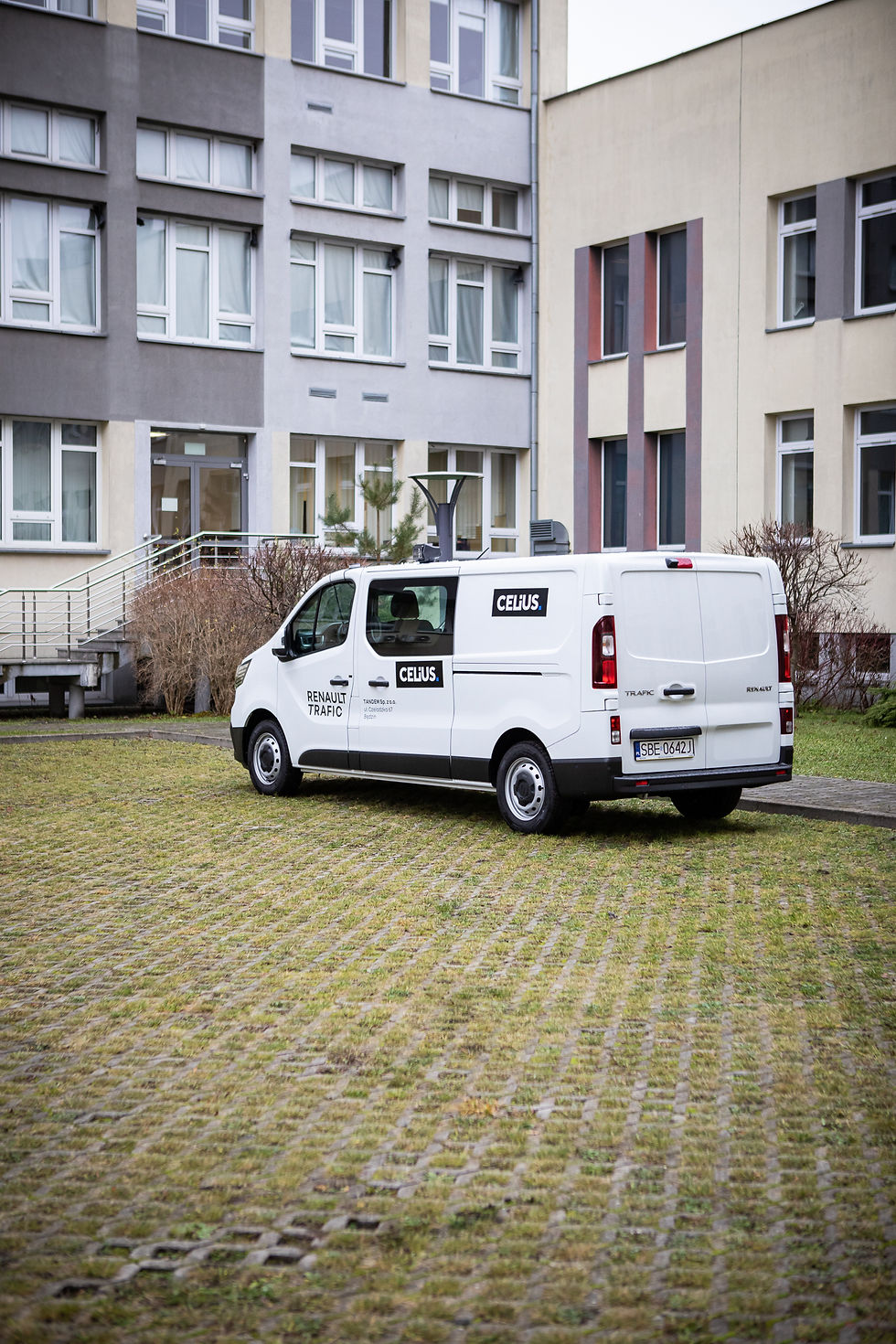
The exercise scenario was based on the simulation of detecting an abandoned object that could pose a potential explosion hazard. All operational activities were coordinated using advanced technological tools, including the Celius mobile application designed for crisis management teams. Situational support was provided by Impel's monitoring infrastructure, including the MobiGuard observation tower and vision systems, as well as an observation drone, which enabled ongoing analysis of the area and assessment of the threat scale. The management process also utilized the Kielce University of Technology's proprietary solution for automating electricity management across the entire campus. A Renault Trafic vehicle, provided by Renault Tandem Kielce, was also used during the exercise, serving as a mobile command support point. Computer equipment provided by Lenovo Polska and smartphones provided by Motorola Mobility Polska also played a significant role, enabling participants to communicate efficiently and use the application in real time. The use of an integrated technological environment allowed for automatic transmission of information to the headquarters, shortened response times, and provided a practical test of the effectiveness of service collaboration in conditions as close to real-world conditions as possible. Police officers from both the Municipal and Provincial Police Headquarters, as well as representatives of the State Fire Service and the Kielce Municipal Police, were involved in the simulation, allowing for the simulation to accurately reflect the actual course of a potential intervention. "Thanks to the solutions tested today, the campus is becoming a place better prepared for unexpected situations. This represents a real increase in safety for students and staff," emphasized Kamil Dziewit, Spokesperson of the Kielce University of Technology.
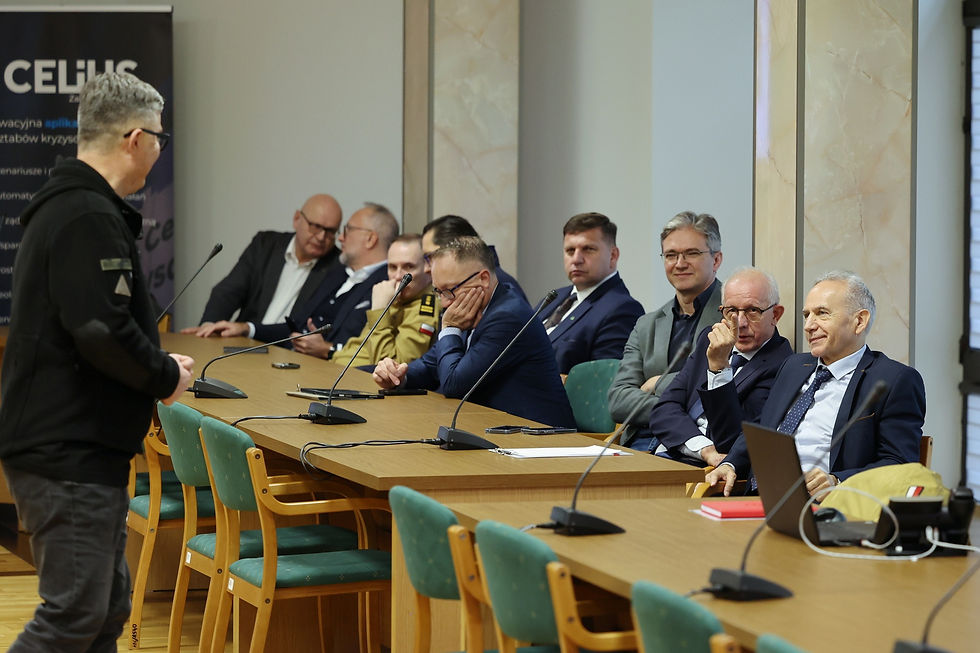
A high-profile event. The presence of administration, services, and technological partners.
The high profile of the event was underscored by the presence of government officials, services, and technology partners. The exercise brought together representatives of central and local government, uniformed services, and key institutions involved in building regional security. Participants included Minister Wiesław Leśniakiewicz, Undersecretary of State at the Ministry of Interior and Administration, Michał Skotnicki, Deputy Voivode of the Świętokrzyskie Voivodeship, Adam Jarubas, Member of the European Parliament, Artur Gierada, Member of the Polish Parlament, and representatives of the Mayor of Kielce, Agata Wojda. Also present were the Provincial and Municipal Commanders of the Police and the State Fire Service, representatives of the Świętokrzyska Territorial Defense Brigade, the management of the Kielce City Security Office, and leaders of companies such as IBM, Impel, Lenovo, Motorola, Renault Group, PGZ, and other technology partners. This broad representation of decision-makers and experts clearly demonstrates the importance placed on developing the regional security infrastructure.
Importance for the region and future plans
The Security Cluster is developing dynamically and is already one of the most important initiatives in the country, connecting the public, private, and academic sectors in the field of security. The solutions developed within this cluster will be tested and developed in the coming months, with the goal of creating a complete, mobile, and automated crisis management system. "Building resilience is no longer a future task, it's a challenge we must address here and now. Our mission is to provide technologies that shorten decision-making processes, improve communication, and support crisis management teams where seconds count," emphasizes Michał Lorenc, CEO of Celius. The emerging solutions have the potential to become standard not only in the region but also nationwide.

Our thanks.
Celius would like to thank all partners, participants, and institutions that supported the organization and implementation of the exercise. We extend special appreciation to the Kielce University of Technology for their cooperation and trust, as well as to representatives of government and local government administration, uniformed services, and public safety entities who actively participated in the event. We also thank our technology partners for their equipment and technical support, and the officers and experts for their professional security throughout the operation. The joint effort of all parties involved allowed us to create an event of real value for the region's security.